The postpartum period is a time of immense joy. Right? Well, it’s also a time of immense adjustment and raging hormones that can bring forth a range of challenging emotions. Many new parents experience postpartum anxiety, rage, and burnout, which can significantly impact their well-being and parenting journey. As a clinical psychologist and mother of a toddler and a baby, I understand the importance of addressing these concerns to support parents in navigating this transformative phase. In this blog post, we will explore effective strategies for managing postpartum anxiety, rage, and burnout, helping you (and myself!) nurture yourself and create a manageable parenting experience.
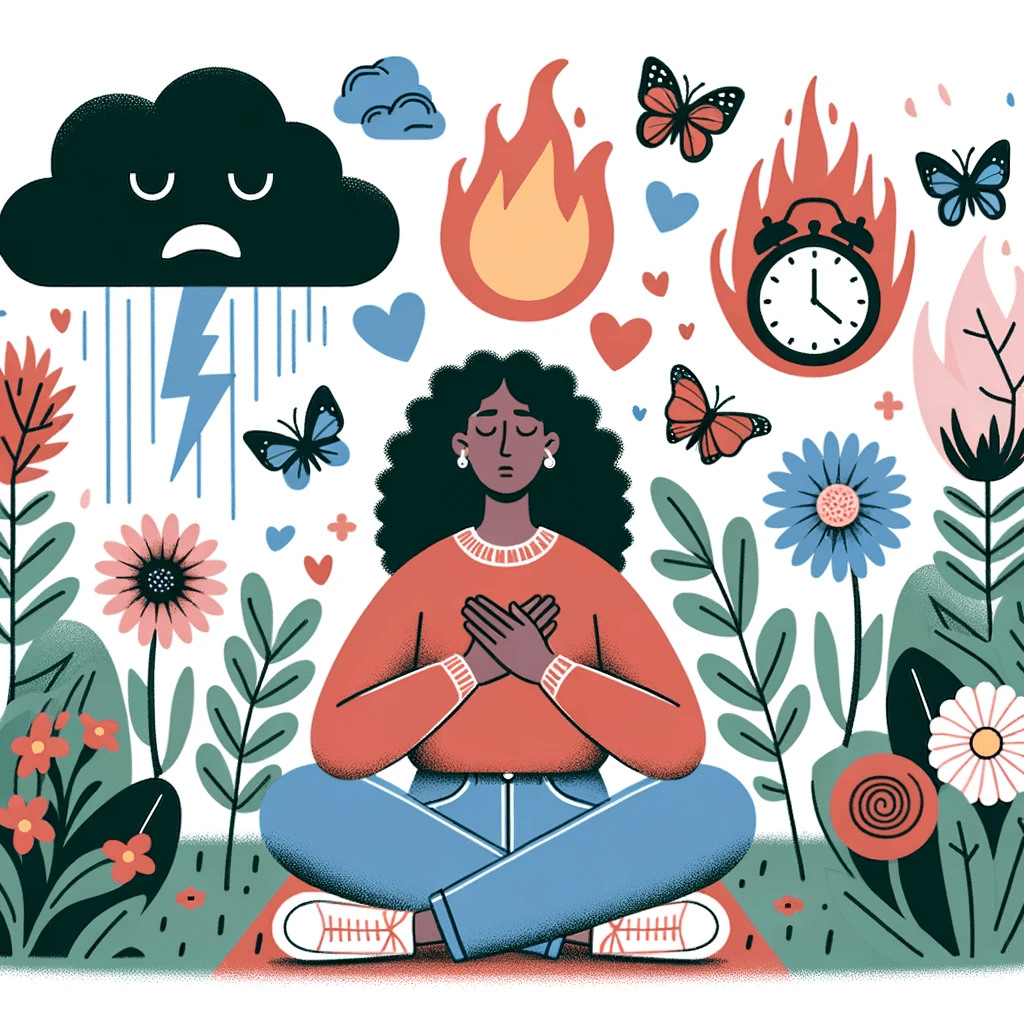
- Recognize and Validate Your Emotions: It’s essential to acknowledge and validate your emotions during the postpartum period. Many new parents feel overwhelmed, anxious, and irritable at times, and these feelings are totally normal. Understand that it’s okay to have mixed, or even aversive, emotions and that seeking support does not imply weakness. By acknowledging your feelings, you take the first step towards managing them effectively. Start by labeling exactly how you feel. Honor your feelings instead of pushing them away. Yes, of course you are frustrated. You haven’t had a real meal in two days and your baby wont even let you pee in peace. It’s reasonable to feel cranky about this. You can love your baby, enjoy their snuggles AND also feel distressed and somber.
- Build a Supportive Network: Reach out to your partner, family, friends, or a support group to create a network of understanding and empathetic individuals. Share your experiences, concerns, and challenges with those who can provide emotional support and practical assistance. Having a reliable support system can alleviate feelings of isolation and offer reassurance during difficult times. Personally, it was helpful for me to join a support circle of first-time moms when my baby was 3 months old. I met a wonderful group of supportive moms that I still keep in contact with today.
- Prioritize Self-Care: Self-care is crucial for your well-being and ability to cope with postpartum challenges. Make self-care a priority by carving out time for activities that replenish and rejuvenate you. You can’t be an effective parent if you don’t take care of yourself! Engage in activities that bring you joy, such as reading, taking walks, practicing mindfulness, or pursuing hobbies. Prioritizing self-care enables you to recharge, manage stress, and better meet the demands of parenthood. Easier said than done, huh? Get creative. Even a 5 minute activity can help.
- Seek Professional Help: If postpartum anxiety, rage, or burnout become overwhelming and persist over time, consider seeking professional help. A mental health professional, such as a psychologist or therapist, can provide guidance, support, and evidence-based strategies to manage these challenges effectively. Therapy can offer a safe space to explore your emotions, develop coping skills, and create a personalized plan for healing and growth. Postpartum Support International is a great resource!
- Practice Mindfulness and Stress Reduction Techniques: Mindfulness practices, such as meditation, deep breathing exercises, and progressive muscle relaxation, can be invaluable tools for managing postpartum anxiety, rage, and burnout. Incorporate these techniques into your daily routine to cultivate a sense of calm and enhance your emotional well-being. Engaging in mindfulness practices helps regulate emotions, reduce stress, and promote self-compassion. Here’s an idea!
- Establish Realistic Expectations: It’s crucial to set realistic expectations for yourself during the postpartum period. Remember that it’s okay if everything doesn’t go according to plan. Things just wont! Babies are unpredictable. Embrace the uncertainty. Adjusting to parenthood takes time, and there will be good days and challenging days. Be kind to yourself, celebrate small victories, and remember that you are doing your best. This is HARD.
- Develop Coping Strategies: Identify healthy coping strategies to manage moments of anxiety, rage, or burnout. These may include taking breaks when needed, practicing deep breathing during moments of stress, engaging in physical exercise (even 5 jumping jacks will help), journaling to process emotions, or seeking emotional support from your network. Experiment with different coping techniques to find what works best for you and integrate them into your daily routine.
Managing postpartum anxiety, rage, and burnout requires self-compassion, support, and the willingness to seek help when needed. Remember that you are not alone in your experiences, and reaching out for support is a sign of strength. By implementing these strategies, you can nurture yourself, navigate the challenges of the postpartum period, and create an adaptive environment for both yourself and your baby.
Disclaimer: The advice provided in this blog post is meant to be informative and educational, and should not be taken as a substitute for professional psychotherapy or mental health treatment. It is important to seek the advice and guidance of a licensed mental health professional if you are experiencing severe or persistent symptoms of distress and/or anger.
If you are in crisis or need immediate support, please seek help from a qualified mental health professional or emergency services. Here are some resources that may be helpful.
 Dr. Katiah Llerena, PhD